Keen Eye for Electrical
An electrical inspection is a critical part of evaluating a property’s safety, functionality, and overall condition. It focuses on identifying potential hazards, verifying proper installation, and assessing whether the system is operating as intended.
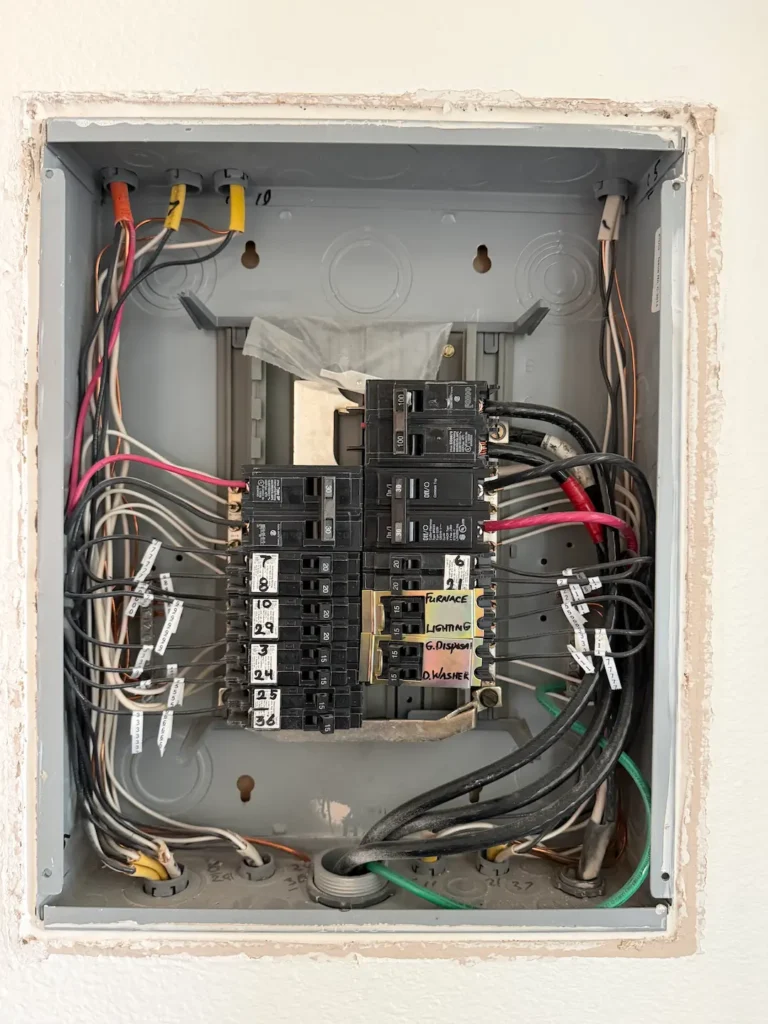
The inspection typically begins at the main electrical panel. The inspector reviews the panel’s condition, checks for proper labeling, and looks for signs of overheating, corrosion, or improper wiring. The panel’s capacity and configuration are also evaluated to determine if it adequately supports the home’s electrical demands. Missing knockouts, double-tapped breakers, or outdated components may be noted as concerns.
From there, the inspection extends to visible wiring and branch circuits throughout the property. This includes checking outlets (receptacles), switches, and light fixtures for proper operation. Grounding and bonding are also important elements, as they help protect against electrical shock and ensure safe dissipation of excess electricity.
Safety devices such as GFCI (Ground Fault Circuit Interrupter) and AFCI (Arc Fault Circuit Interrupter) protection are evaluated in applicable areas like kitchens, bathrooms, garages, and bedrooms. The inspector may test these devices to confirm they are functioning properly, as they play a key role in preventing electrical hazards.
Common issues identified during an electrical inspection can include non-functioning outlets, reversed polarity, lack of GFCI/AFCI protection, exposed wiring, overloaded circuits, and outdated systems such as knob-and-tube or aluminum wiring. Improper modifications or DIY electrical work are also frequent findings.
The inspection also considers the overall condition and age of the electrical system. Older homes may not meet current safety standards and could require upgrades to improve reliability and reduce risk.
It’s important to note that a standard electrical inspection is limited to visible and accessible components. Inspectors do not typically open walls or perform invasive testing. If significant concerns are identified, further evaluation by a licensed electrician may be recommended.
Overall, an electrical inspection helps ensure the system is safe, compliant, and capable of meeting the needs of the property while reducing the risk of fire or electrical failure.