Thermal Imaging
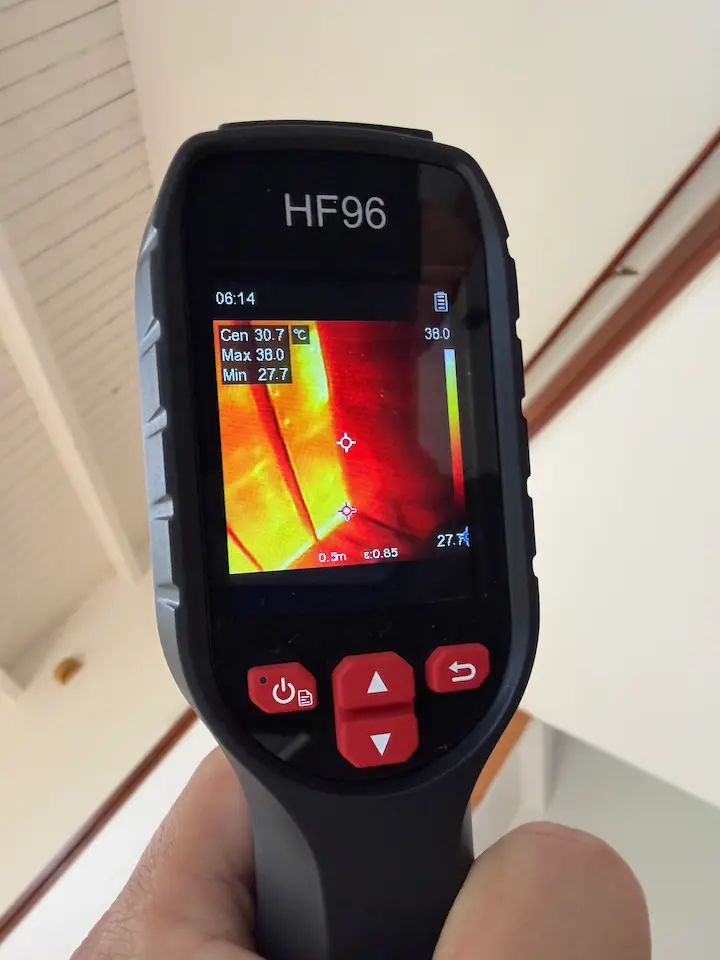
Thermal imaging is a valuable tool used during property inspections to identify issues that are not visible to the naked eye. By using an infrared camera, inspectors can detect temperature variations across surfaces, which may indicate underlying problems within a home’s systems and structure.
During an inspection, thermal imaging is commonly used to evaluate walls, ceilings, floors, and mechanical components. Differences in temperature can reveal conditions such as moisture intrusion, insulation deficiencies, air leaks, and overheating electrical components. For example, cooler areas on a wall or ceiling may suggest the presence of moisture due to a leak, while uneven temperature patterns can indicate missing or compressed insulation.
In electrical inspections, thermal imaging can help identify hotspots at outlets, breakers, or wiring connections, which may point to overloaded circuits or loose connections. These conditions can pose potential fire hazards if left unaddressed. Similarly, HVAC systems can be evaluated for proper airflow and performance, as temperature differences at vents may reveal inefficiencies or blockages.
Thermal imaging is also useful in detecting roof-related issues. Areas of trapped moisture beneath roofing materials may appear as temperature anomalies, helping inspectors locate potential leaks before they become visible inside the home.
It is important to understand that thermal imaging does not “see through” walls; rather, it detects surface temperature differences that may suggest underlying concerns. Because of this, findings from thermal imaging are considered indicators and typically require further evaluation or confirmation through additional inspection methods.
Environmental conditions can also affect the accuracy of thermal imaging. Factors such as weather, time of day, and recent use of heating or cooling systems can influence the results. Proper interpretation requires training and experience to avoid false positives or misdiagnosis.
Overall, thermal imaging enhances the inspection process by providing additional insight into hidden conditions, improving the ability to detect potential issues early, and supporting more informed decisions for property owners, buyers, and real estate professionals.