Ready, Print & GO
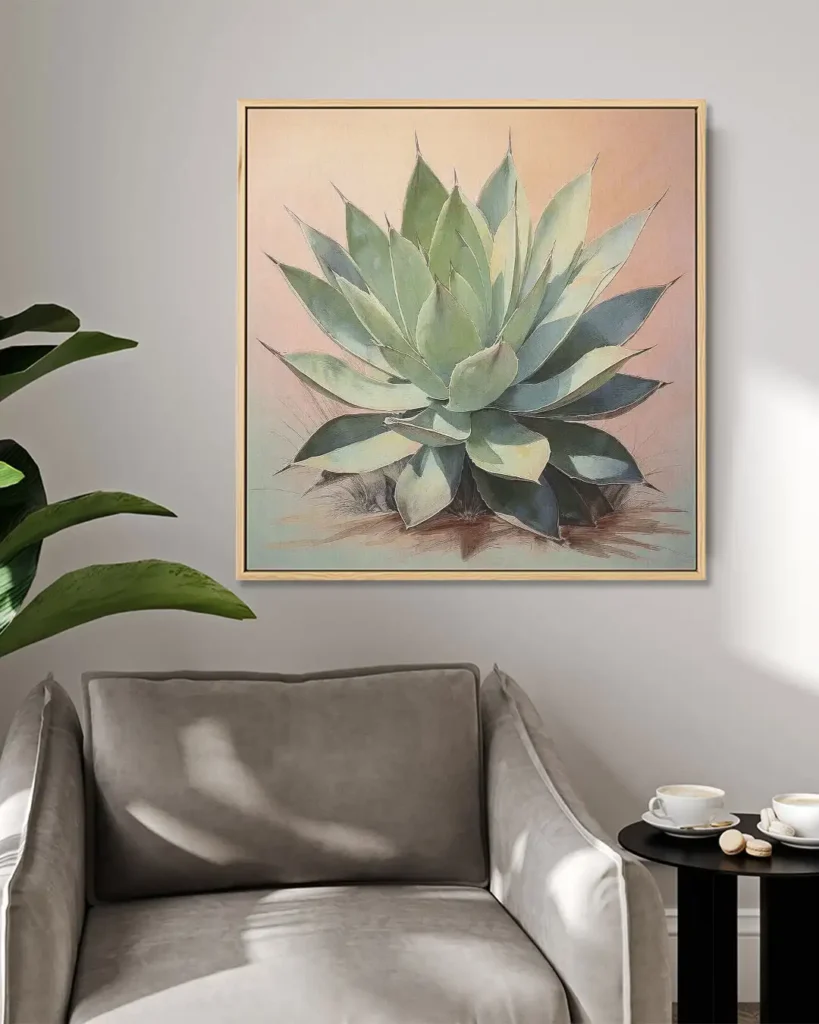
The journey from creating art to getting it into the hands of an audience involves several key stages, each shaping how the work is experienced and valued.
It begins with creation. This is where the artist develops the concept, experiments with ideas, and produces the work itself. Whether it’s a painting, music, photography, or digital design, this stage is often iterative—sketches, drafts, and revisions refine the final piece. Artists may draw inspiration from personal experiences, cultural influences, or movements within fields like Fine Arts or Digital Media.
Once the artwork is complete, the next step is documentation and preparation. Physical works are photographed or scanned in high resolution, while digital works are exported in appropriate formats. This ensures the piece can be shared, reproduced, or archived without losing quality. At this stage, artists also title their work, write descriptions, and sometimes create a portfolio or catalog.
Then comes presentation and branding. Artists decide how they want their work to be perceived—this can include building a personal website, curating a social media presence, or assembling a cohesive collection. Platforms like Instagram or Behance are commonly used to showcase work and reach audiences.
Distribution follows, and this is where the art is made accessible. Traditional routes include galleries, exhibitions, and art fairs, while digital distribution has expanded opportunities significantly. Artists can sell prints through online stores, license their work, or distribute digital art through marketplaces. Music and video creators often use platforms like Spotify or YouTube to reach global audiences instantly.
Marketing and promotion play a crucial role in distribution. Artists may use social media campaigns, collaborations, email newsletters, or even paid advertising to increase visibility. Building relationships with collectors, curators, and fans can significantly impact how widely the work is seen and appreciated.
Finally, sales and post-distribution management complete the process. This includes handling transactions, shipping physical works, managing digital rights, and maintaining communication with buyers or followers. Feedback and audience engagement at this stage often influence future creations, creating a continuous cycle of growth and evolution.
Overall, the process from making art to distribution is both creative and strategic, blending artistic expression with presentation, marketing, and business decisions to bring work from concept to audience.