Is your water pressure low?
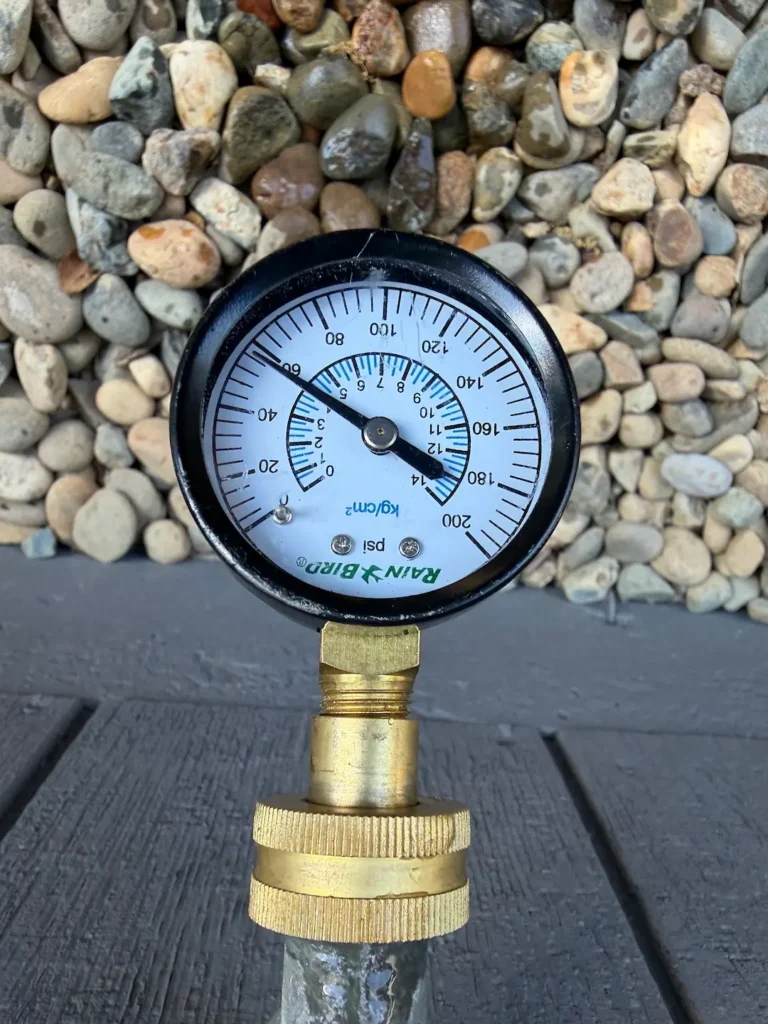
Water pressure can vary significantly from one neighborhood to another, and it’s an important factor to consider during a home inspection or property evaluation.
Municipal water systems are designed to deliver consistent pressure, but several factors influence what a homeowner actually experiences. Elevation plays a major role—homes located on higher ground or at the end of a supply line often experience lower pressure, while properties at lower elevations may have stronger flow. Distance from pumping stations, storage tanks, and main distribution lines can also impact pressure levels.
Neighborhood infrastructure is another key factor. Older communities may have aging or undersized pipes that restrict water flow, leading to reduced pressure. Corrosion, mineral buildup, or even small leaks in the system can further contribute to inconsistent performance. In contrast, newer developments typically benefit from updated plumbing systems designed to maintain more stable and efficient water delivery.
During an inspection, water pressure is typically evaluated by running multiple fixtures simultaneously and observing flow consistency. Low pressure may indicate issues such as partially closed shut-off valves, clogged aerators, faulty pressure regulators, or problems within the municipal supply. On the other hand, excessively high pressure can also be a concern, as it may strain plumbing components, increase the risk of leaks, and shorten the lifespan of appliances like water heaters and dishwashers.
Pressure regulators (PRVs) are often installed to maintain safe and consistent levels within a home. Ideally, residential water pressure should fall within a range that provides adequate flow without causing stress on the plumbing system.
It’s important to note that water pressure can fluctuate throughout the day based on neighborhood demand. Peak usage times—such as mornings and evenings—may result in temporary drops in pressure.
Overall, evaluating water pressure provides insight into both the condition of a property’s plumbing system and the reliability of the surrounding neighborhood’s water infrastructure.