The Roof Inspection

Some roofs cannot be inspected due to its height. Using drones for roof inspections has become an efficient and safer alternative to traditional methods, especially in residential and multi-unit property evaluations.
A drone-assisted roof inspection allows inspectors to capture high-resolution images and videos of areas that may be difficult or hazardous to access on foot. Steep slopes, fragile roofing materials, and multi-story structures can be thoroughly examined without the need for ladders or walking directly on the roof, reducing the risk of injury and potential damage to roofing materials.
During the inspection, the drone is used to survey the entire roofing system, including shingles, flashing, vents, chimneys, skylights, and drainage components such as gutters and downspouts. The aerial perspective enables the inspector to identify visible defects such as cracked, curled, or missing shingles, deteriorated flashing, ponding water, debris accumulation, and signs of prior repairs or patchwork.
Drone imagery can also help detect uneven surfaces, sagging sections, and areas of wear that may indicate underlying structural concerns. In some cases, drones equipped with thermal imaging cameras can assist in identifying trapped moisture or insulation deficiencies that are not visible to the naked eye.
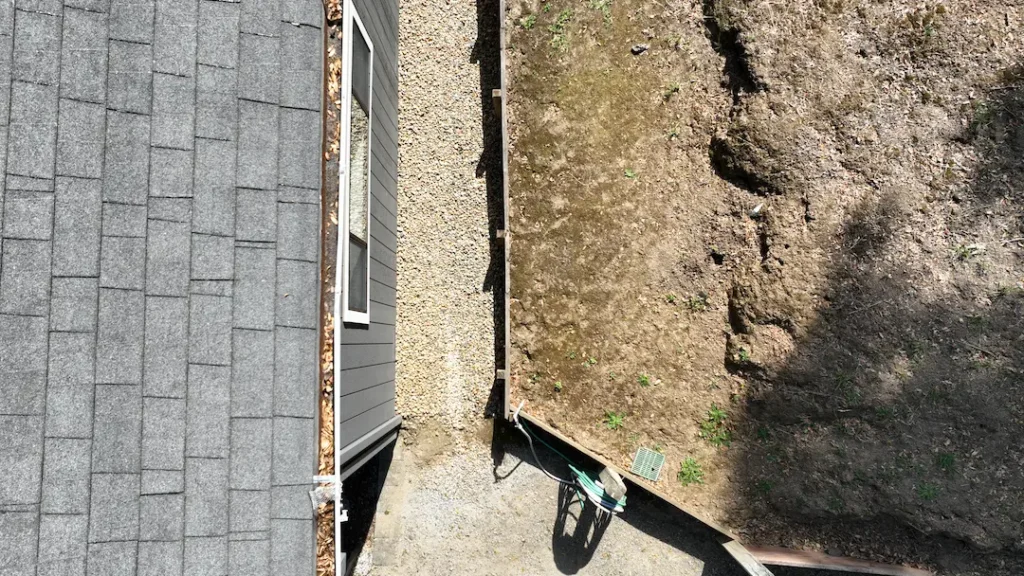
All findings are documented with detailed images, providing clients with clear visual evidence to support the inspection report. This enhances transparency and allows property owners, buyers, and agents to better understand the condition of the roof.
It is important to note that while drone inspections provide a comprehensive visual assessment, they are limited to observable conditions and may not replace a hands-on inspection when further evaluation is necessary.
Overall, drone technology improves the accuracy, safety, and efficiency of roof inspections, making it a valuable tool in modern property assessments.